
LANXESS · Chemicals
How LANXESS gets real-time pH from an AI soft sensor
In a corrosive process at its Kallo site in Belgium, LANXESS swapped hours-old pH results for a machine-learning soft sensor that feeds the SCADA system in real time.
LANXESS · Chemicals
In a corrosive process at its Kallo site in Belgium, LANXESS swapped hours-old pH results for a machine-learning soft sensor that feeds the SCADA system in real time.
At a glance
LANXESS, speciality chemicals, Kallo site, Belgium
AI, Data
Digital integration: historian and SCADA in place, but pH known only through high-maintenance sensors and manual sampling
Data-driven production: real-time pH for operators, and the experience to run AI projects in production
pH predicted in real time, more stable production and less time spent maintaining sensors
AG Solution, a Quariq company
Where they were
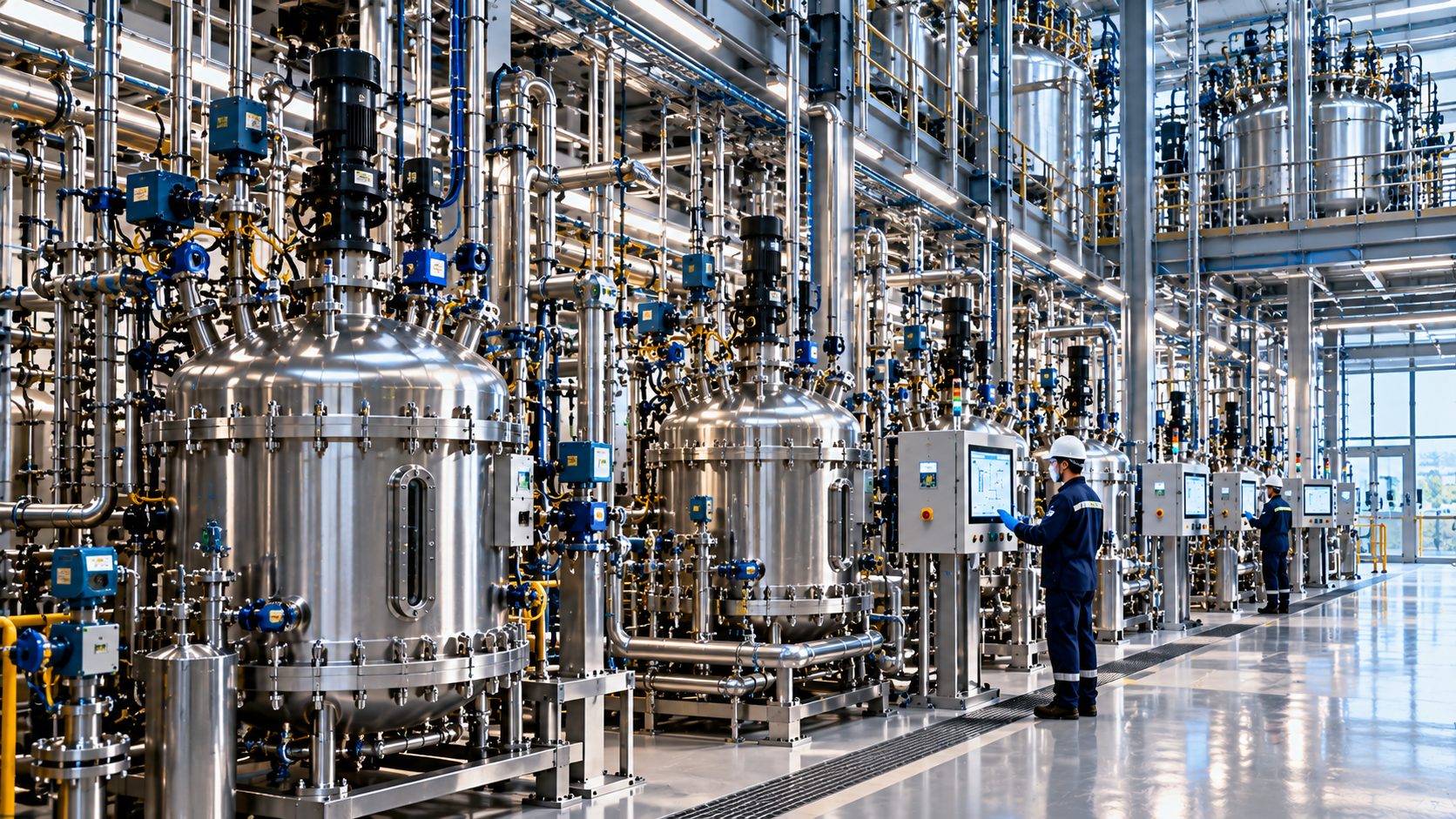
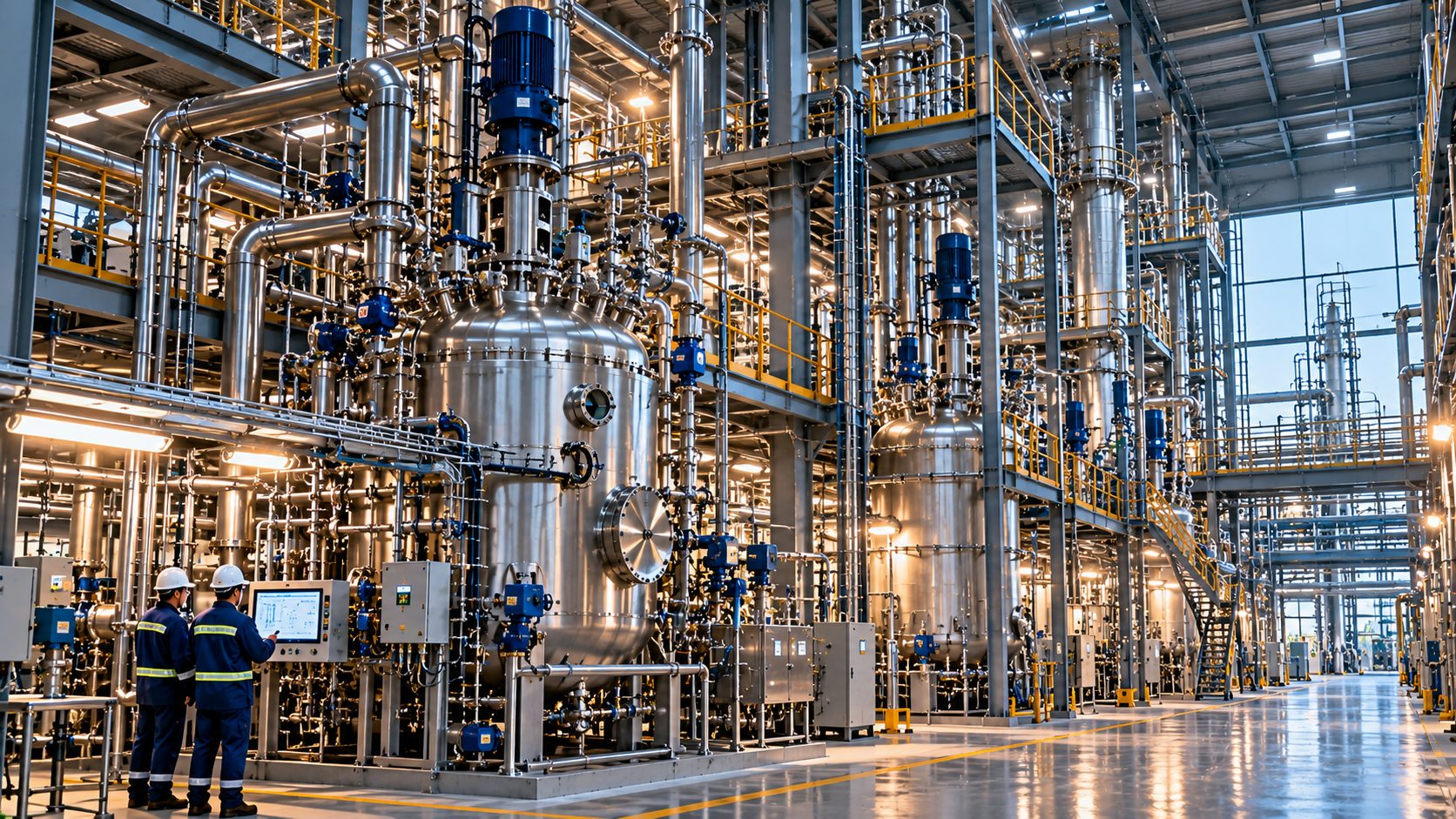
LANXESS produces speciality chemicals at Kallo, in Belgium. In one of its processes, pH decides whether the product stays in specification, and the liquid is acidic enough to wear out the sensors that measure it.
Keeping those sensors reliable meant replacing, configuring and recalibrating them again and again. To control pH, the team also relied on in-line sampling and measurement, manual procedures that cost time and money. Operators could wait a couple of hours before learning that the pH had drifted out of specification, and by then, product could already be lost.
Where they wanted to go
The immediate goal was simple to state: operators should see pH as it changes, so they can correct the process before it leaves specification rather than after.
LANXESS also had a longer view. Most of its people had never worked with AI, and the site wanted to learn how to set up an AI project in a live production environment, on a real problem, so it would be ready for the next ones.
Of the four stages towards the factory of the future, the site was moving from the second to the third. Data from the process already flowed into the historian and the SCADA system (digital integration). The next step was to let that data steer production while it runs (data-driven production).
"As digitization is key in our company, our ambition is to gain knowledge and experience related to Artificial Intelligence so we prepare ourselves for the future."
Steven Smedts, Automation Manager, LANXESS Kallo
The challenge
The difficulty sits in the process itself: the liquid that most needs measuring is the one that destroys the sensor. Better maintenance only buys time, and more sampling only adds cost. The pH value had to come from somewhere else.
Wherever it came from, it had to reach operators in the SCADA system they already trust, with values reliable enough to act on. And as a first AI project, it had to show the team how such a project runs in their own environment, not only deliver a model.
What we did together
We started from data LANXESS already had. Historical process data from the site's AVEVA PI historian were prepared and cleaned, then used to train a machine-learning model to predict pH from the plant's automation data.
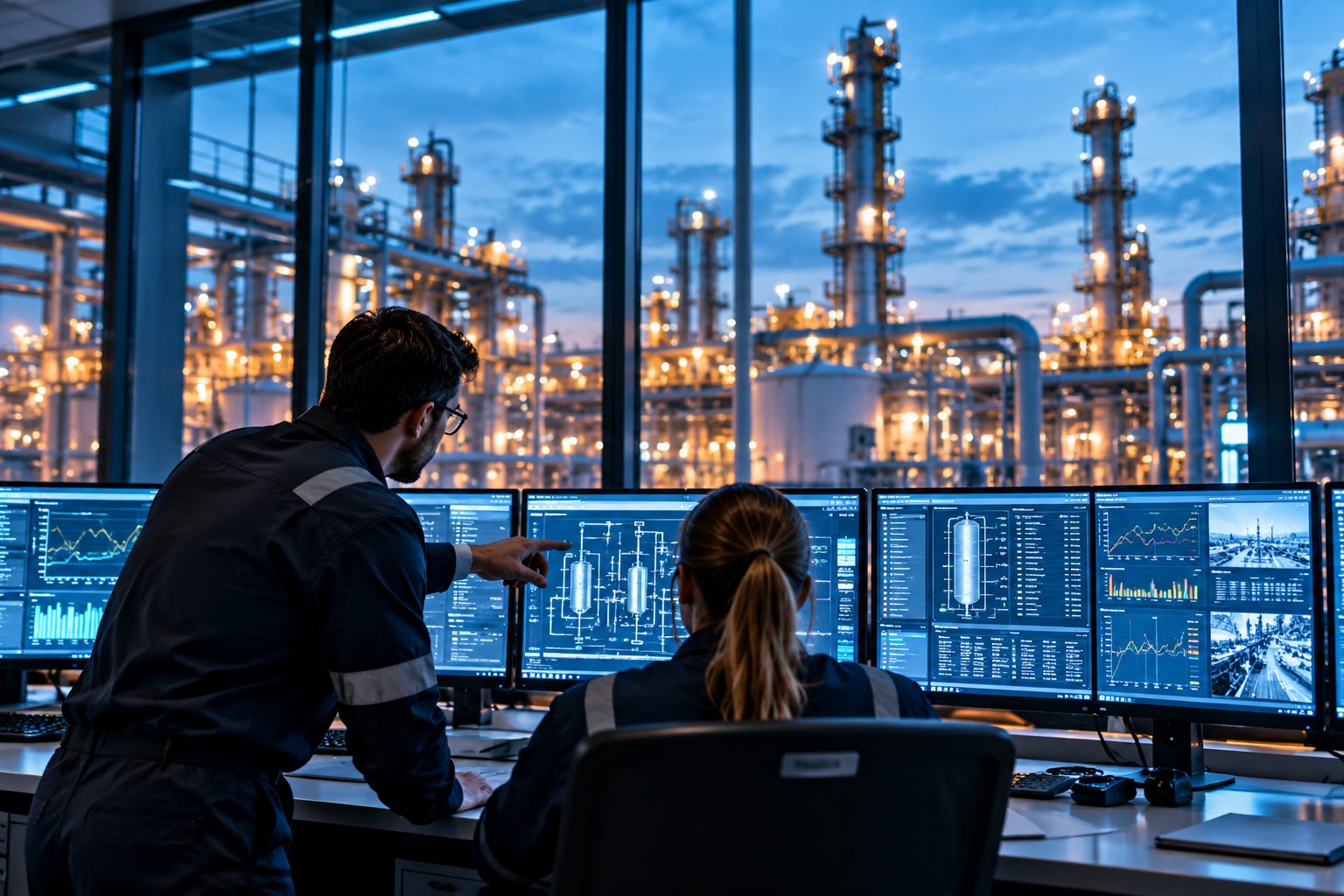
The predicted values are written back to the historian and the automation system and shown in SCADA, so operators read the soft sensor like any other measurement. They can now adjust the process continuously instead of waiting for a sample result.
The project ran in the live production environment, on LANXESS's own systems and with its own team. That is what turned it into a learning exercise and a fix: the site now knows what it takes to bring an AI model into daily operations.
Results
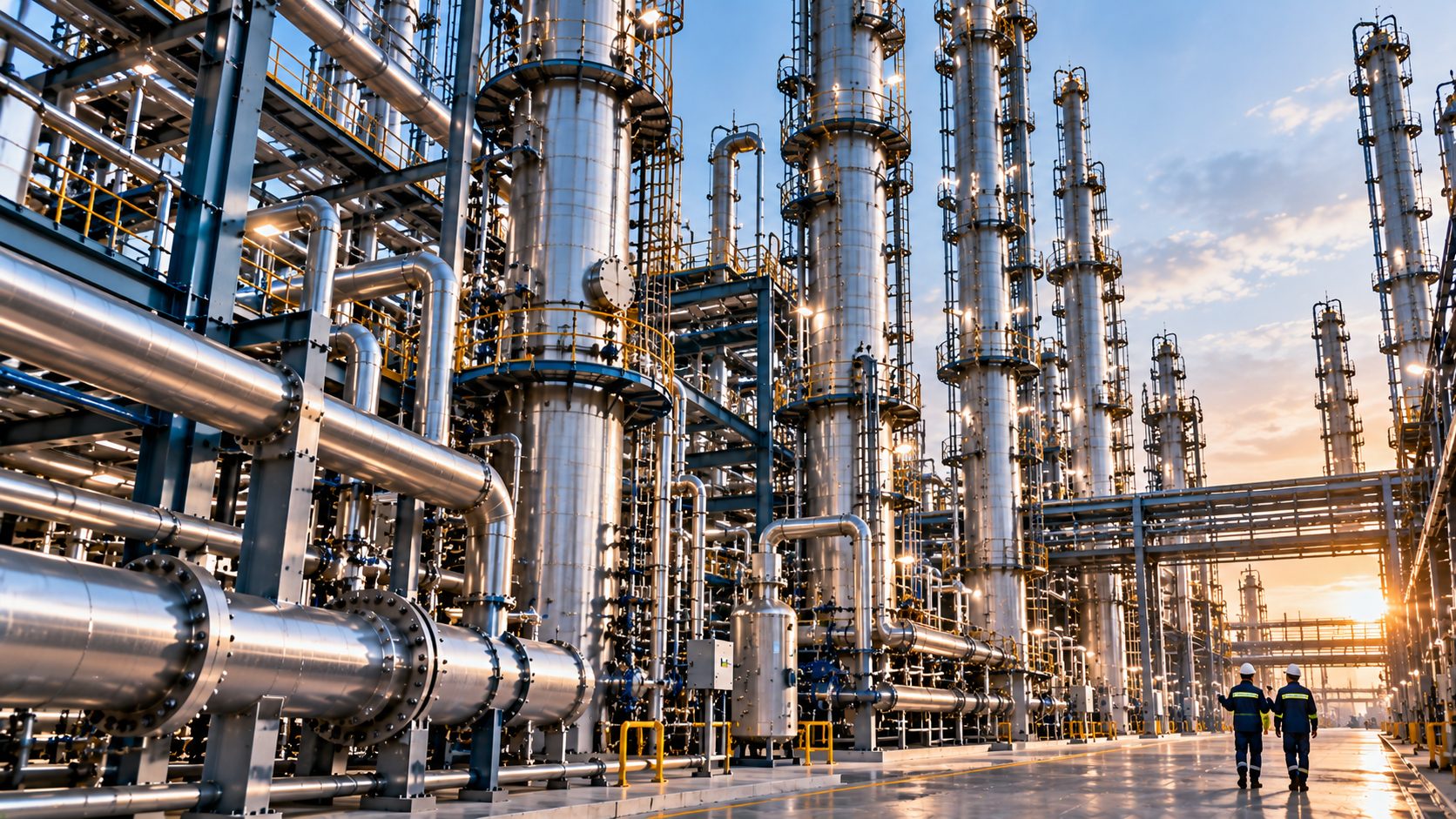
The soft sensor predicts pH in real time with 3% accuracy, and operators use it to keep the process in specification as it runs. pH is now available far more often than sampling could ever provide.
What other manufacturers can take from this
Many plants monitor critical quality variables using lab results or sensors that are hard to keep reliable: concentration and viscosity in chemicals, moisture in food processing, dissolved oxygen in fermentation. Between two readings, operators run on experience. A soft sensor trained on data a plant already collects can fill that gap, provided the historian has enough clean history, and the predictions are regularly checked against real measurements.
The second lesson is about the first project itself. A first AI project that fixes a real operational problem teaches a team far more than a pilot built to demonstrate AI. LANXESS came out of it with a working soft sensor and the know-how to run the next project.
Let's talk
Which measurement do your operators wait for? Tell us about it, and we'll check whether your historian data can predict it reliably enough to steer by.
