
Artificial Intelligence
AI in manufacturing that gets past the pilot
Building AI that runs on your plant's own process and equipment data: predictive maintenance, process monitoring, golden batch analysis and virtual sensors.
Artificial Intelligence
Building AI that runs on your plant's own process and equipment data: predictive maintenance, process monitoring, golden batch analysis and virtual sensors.

Challenges
A model proved itself on one line, then never reached daily operations or other sites.
Process data sits in historians without context, so months go into cleaning before any modelling.
Models built without the people on shift raise alerts operators don't trust, so they get ignored.
AI gets funded as an experiment, so nobody can say what it is worth per line.
AI earns its place in a plant when it changes a decision someone makes on shift. That means choosing use cases by value, preparing the data first, connecting models to the control layer and designing with operators from the start.
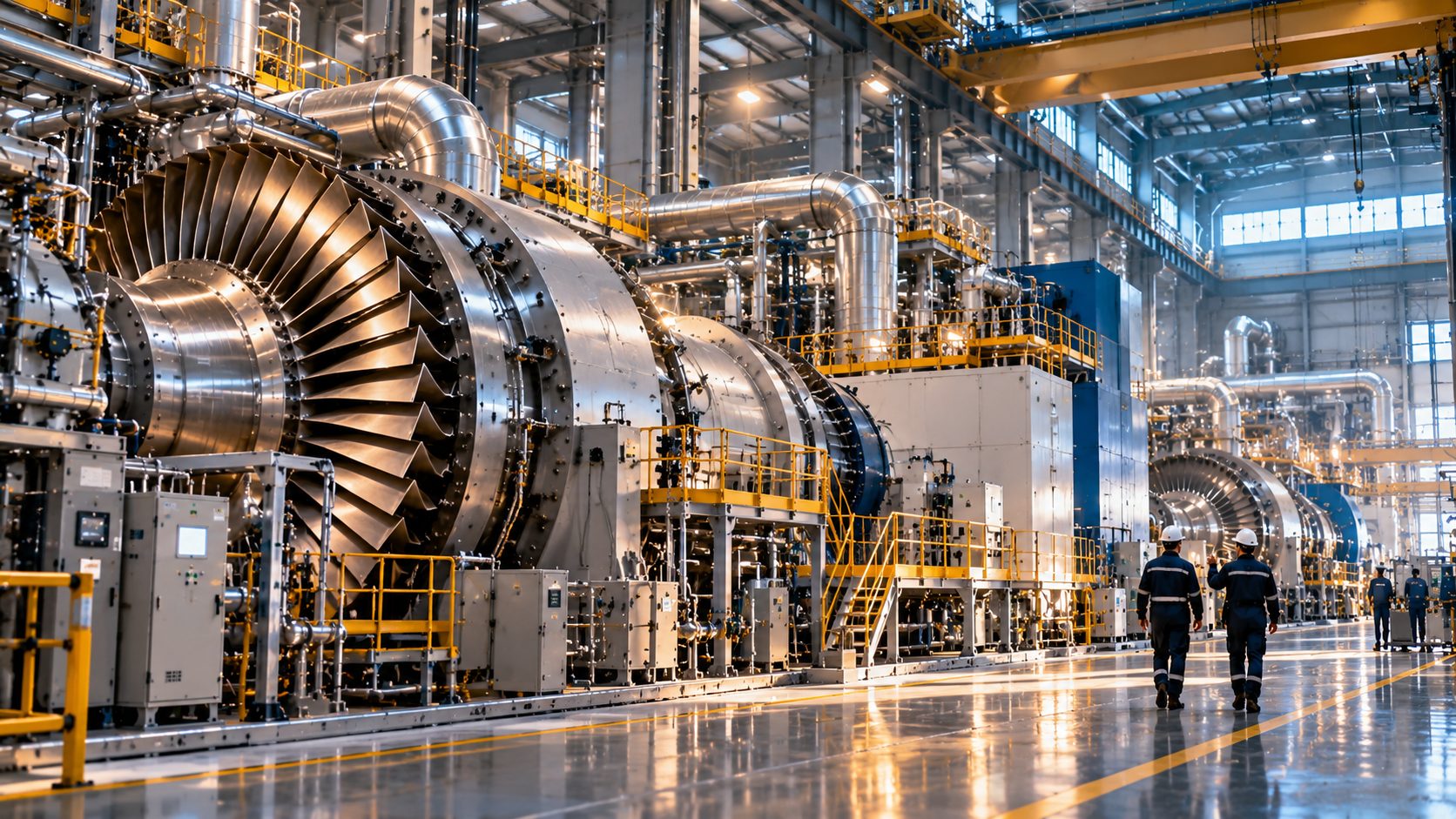
In a waste-to-energy plant, AG Solution, a Quariq company, combined historical and real-time process data with AI and DCS integration to optimise operations and raise energy output.
What we deliver
At Quariq, we use the data and historians you already have, connect models to your existing control and execution systems, and add sensors or platforms only when a use case needs them. Each use case is built to be replicated on other lines and sites.
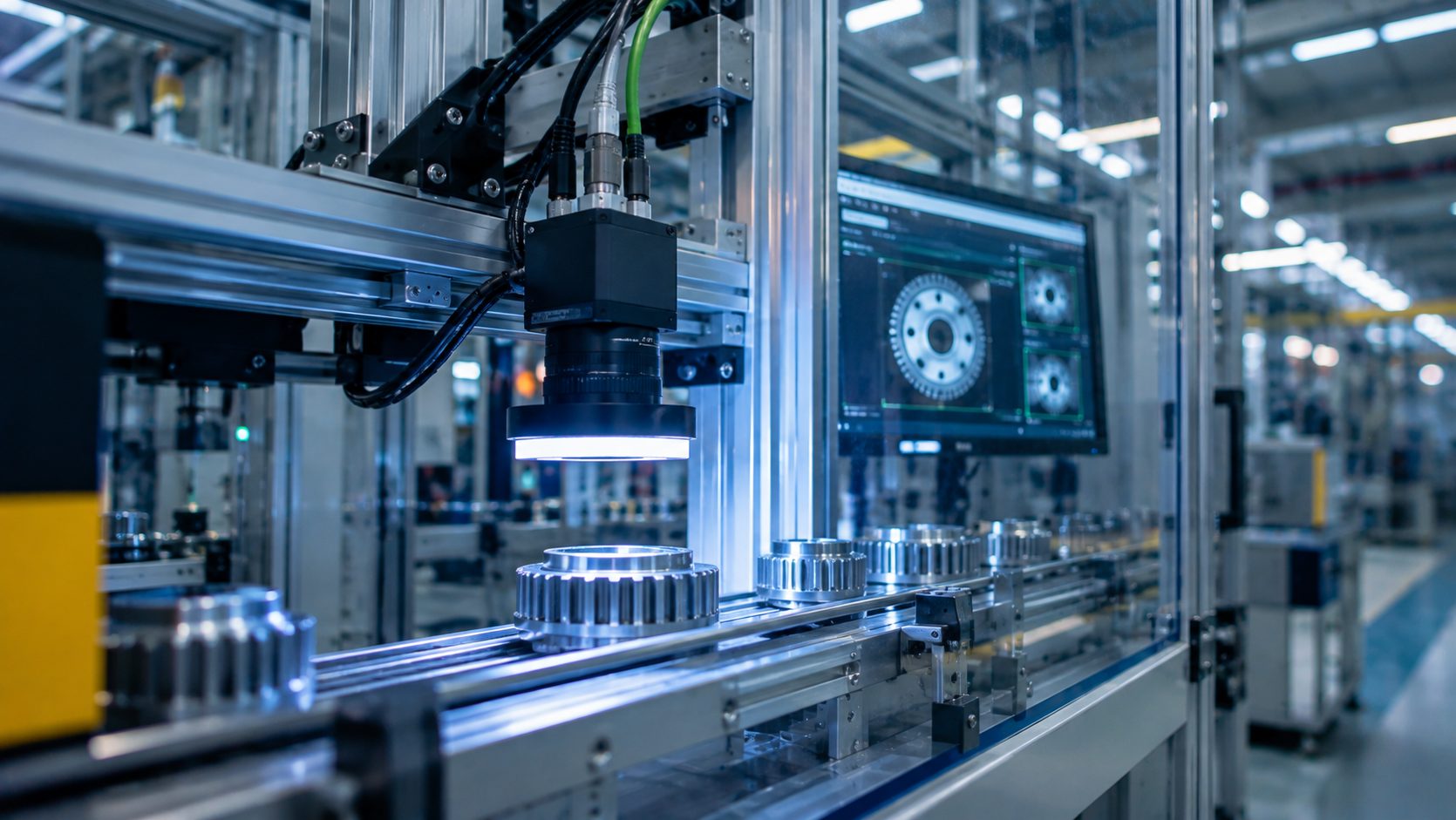
Ranked by value and data readiness, each with a measurable target before work starts.
Data cleaned and put in context, then models trained by engineers who know process control.
Predictions in the DCS, historian or MES screens operators use, designed and tested with the people on shift.
Models monitored and retrained as processes, raw materials and equipment change.
Use cases
AI readiness
Smart production, the last of the four stages towards the factory of the future, is where AI does most of its work. It relies on the three stages before it.
Reliable, standardised data from machines and processes. Without it, AI has nothing trustworthy to learn from.
Data connected across control, MES and enterprise systems, with context. Models can now link cause and effect across the process.
Dashboards and analytics in daily use. AI starts with prediction: maintenance, process drift, virtual sensors.
Models that recommend actions and, where it is safe, take them. Optimisation runs continuously, across lines and sites.
Most plants sit at different stages on different lines. We start where the data already supports a use case.
How it connects
Questions manufacturers ask
Mostly machine learning on process, equipment and quality data: predicting failures, spotting process drift, estimating values you can't measure and finding what makes a good batch. Generative AI and agents are starting to help engineers with documents and procedures, but today most of the value we see in plants comes from models trained on their own process data.
It is when the use case is chosen by value. We agree the KPI, the baseline and the target before modelling starts, for example unplanned downtime on one asset class or yield on one product. If the business case doesn't hold at that point, we say so before you spend more.
Often yes, if it has context. Historian data you already collect can support a first use case once it is linked to batch, quality and maintenance records. A readiness check shows which use cases your data supports now and what to fix for the rest.
Yes. We connect models to the DCS, PLC and SCADA layers and historians you already run, and to the analytics platforms your teams already use. Quariq is vendor-independent, so the tools follow your architecture rather than the other way round.
By designing for it from the start. The pilot runs on live production data, feeds the screens operators already use and comes with a plan for monitoring, retraining and rollout to other lines. If a pilot can't run that way, we change its scope before building it.
They trust what they helped shape. Operators and engineers test the recommendations against their own experience before go-live, and alerts are designed to show which signals triggered them. A model that explains itself in the plant's own terms gets used.
Let's talk
Tell us which losses you most want to predict or prevent. We will tell you whether your data supports it and what a first use case would take.
