
Automation
Industrial process automation, from strategy to start-up
Quariq designs, programs and supports the control systems that run manufacturing processes, for new lines, capacity expansions, ageing systems and robotics.
Automation
Quariq designs, programs and supports the control systems that run manufacturing processes, for new lines, capacity expansions, ageing systems and robotics.

Challenges
Controllers and HMIs are out of support, and spare parts come from second-hand markets.
Logic grew over decades without documentation, and the one engineer who knows it is close to retiring.
Each line or upgrade is specified on its own, with no roadmap linking it to the next.
Intent gets lost in the handover, and nobody owns the result when plan and build don't match.
Every automation decision outlives the project that made it. We take it with the whole plant in view: what runs well today, where the plant is heading, and what data, MES and AI will need from the control layer. Then we build it, so nothing is lost between the plan and the start-up.
What we deliver
Everything starts with your plant as it is. An inventory of control systems and their support status shows which route fits each line.
Which systems to keep, extend, migrate or build, in what order, tied to where the plant is going.
PLC, DCS and SCADA design, programming and commissioning, for batch and continuous production.
Obsolete controllers and HMIs replaced in stages, each one tested before switchover.
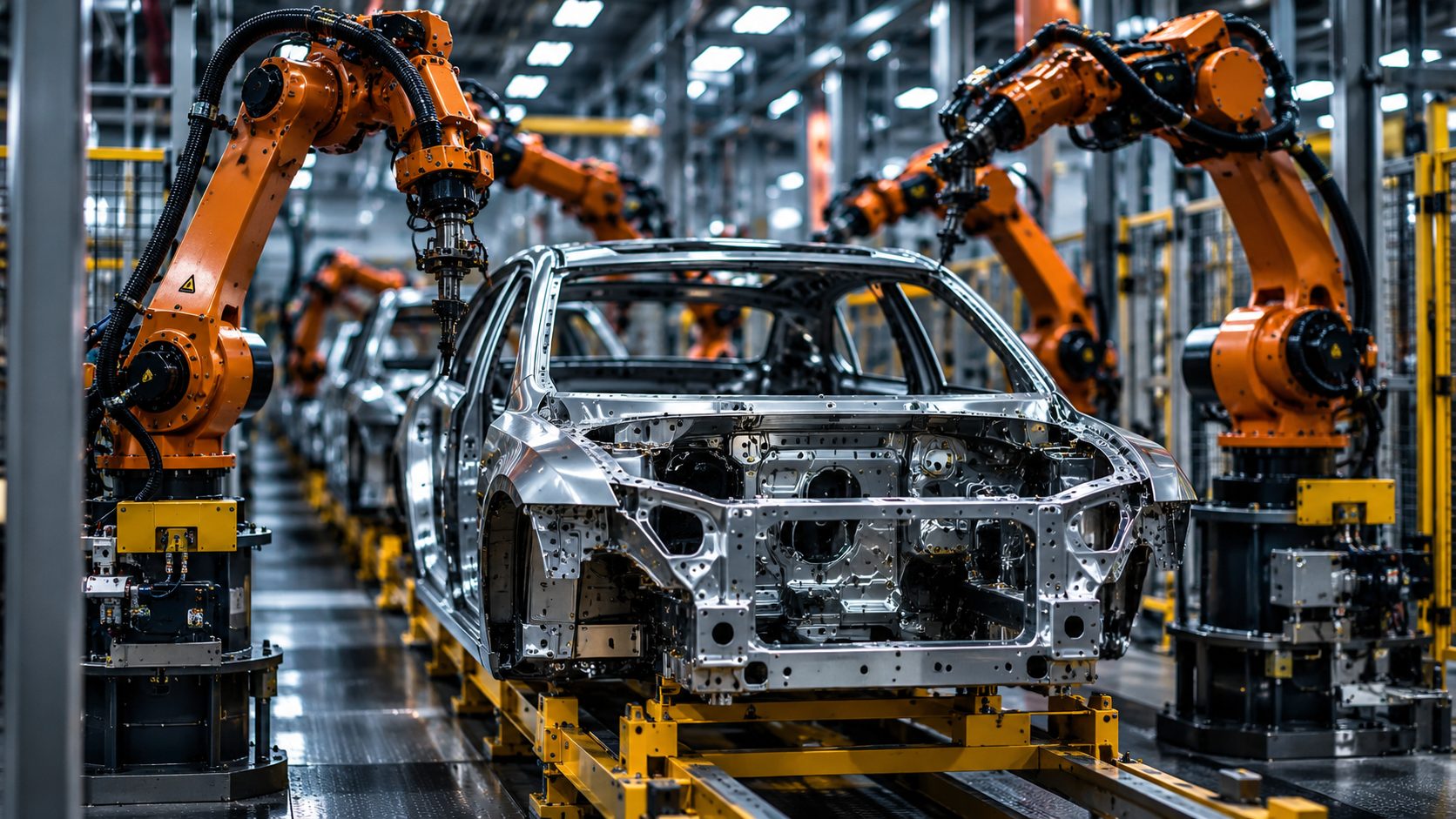
Robotic cells and automated material routing connected to line control and safety systems.
Modernisation path
Most plants need a mix: one line kept, another extended, a third migrated, a fourth built new.
When it fits: The hardware is supported and the code is sound. What it involves: Documentation, a spares strategy and a support plan.
When it fits: The system works but lacks connectivity or functions. What it involves: New interfaces, HMIs or modules added to the existing system.
When it fits: The platform is obsolete, but the process is well understood. What it involves: Old and new systems run side by side until each section switches over.
When it fits: The process changes, nothing can be reused, or the line is new. What it involves: A system designed from the process requirements up, to your automation standard.
Technology independence
One standard runs through every line we engineer: object libraries, naming conventions, coding rules and documentation, defined with you at the strategy stage. Every line then behaves and reads the same way. New lines are faster to engineer, changes are easier to check, and your own engineers can maintain the result. Because Quariq works across the major control platforms, the standard follows your installed base, not a vendor's catalogue.
How it connects
Digital foundation, the first stage towards the factory of the future, begins with control systems that are supported, documented and built to one standard.
Questions manufacturers ask
Industrial process automation uses control systems such as PLCs, DCS and SCADA to run production steps like dosing, mixing, heating and routing to set parameters, with minimal manual intervention. Done well, it keeps quality consistent, protects people and equipment, and records what happened at every step.
Yes. We define the automation strategy and roadmap, design and program the systems, commission them on site and support them afterwards. The people who made the plan answer for the result. We also take over systems other integrators built, starting by documenting what is there.
Migrate in phases when the hardware is obsolete but the process and logic are sound: risk and downtime stay low. Replace when the process itself is changing or the existing logic can't be reused. An inventory of support status and risk usually makes the choice clear.
Far less than a full replacement, because the work is split into stages. We prepare and test offline, switch over one section at a time during planned stops, and keep a fallback ready each time. The production calendar sets the schedule.
By weighing risk against value. Unsupported hardware on a critical line rises to the top, and so does any system that blocks a new product, a data project or a capacity increase. The result is a roadmap with a business case for each step, so investment can be phased over several budget years.
We involve them from the HMI design onwards, so screens follow how they actually run the process. Training happens before switchover, on a simulation of their own plant where possible, and engineers stay on site for the first shifts.
Let's talk
Whether you are planning a new line or worried about a system that is out of support, our automation engineers will tell you which route fits and what the first step would be.
